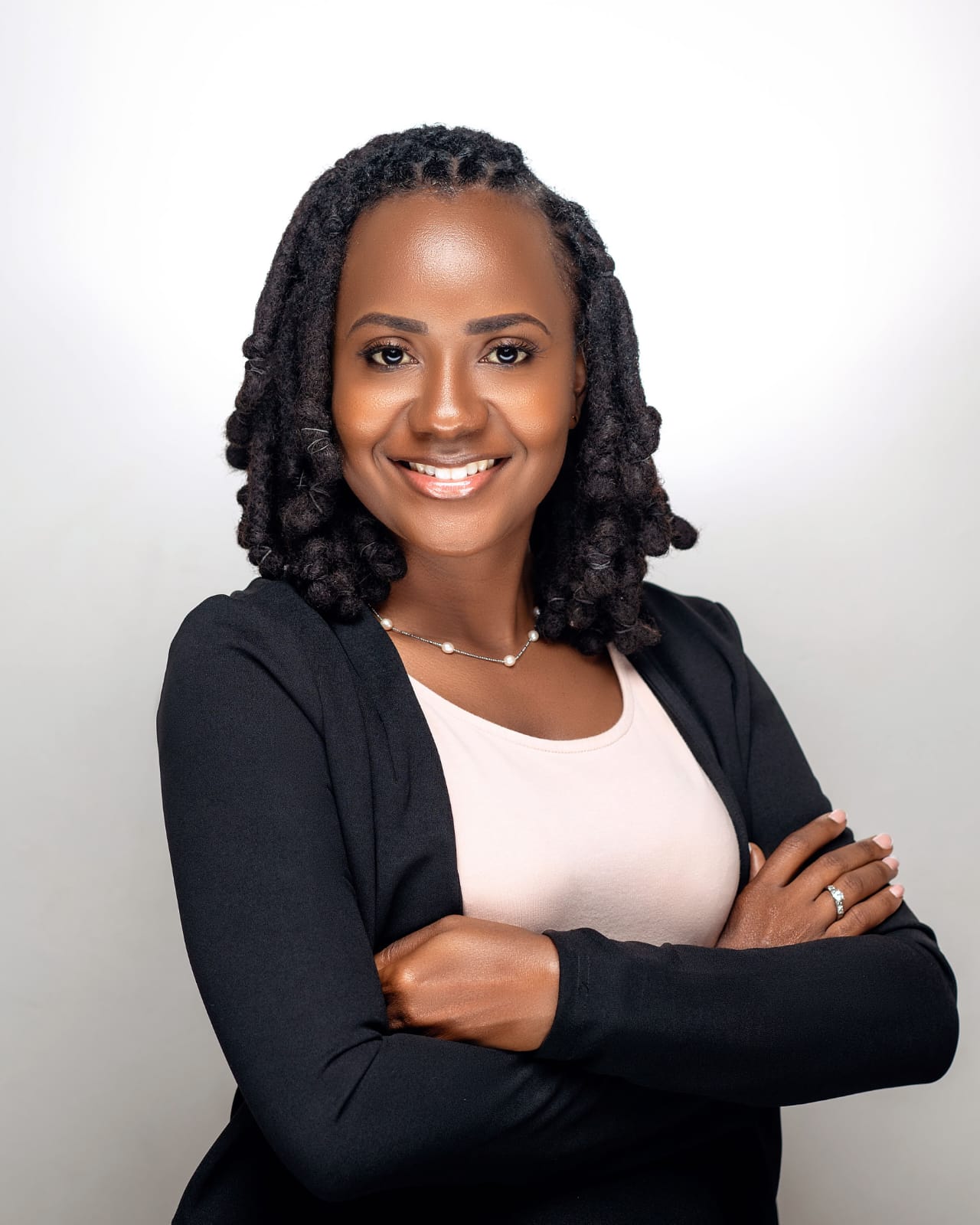
Domestic Violence: How The Caribbean Community Can Support Survivors With Founder and Psychologist Neila Phillip
Caribbean women surviving domestic violence do not need to be reminded that they are strong. They need safety, protection, healing, and communities prepared to support them in practical ways.
Too often, strength becomes the response to a woman’s disclosure: Be strong. Pray about it. Keep it in the family. But strength is not a safety plan. It does not provide a safe place to sleep, confidential care, legal protection, financial stability, or a path away from abuse.
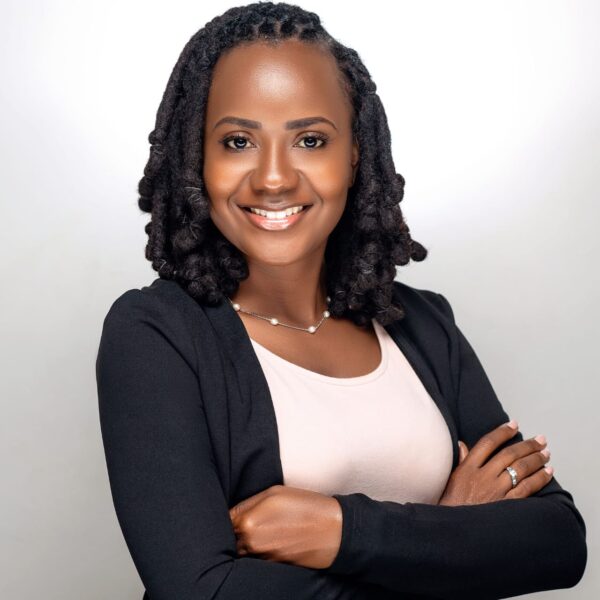
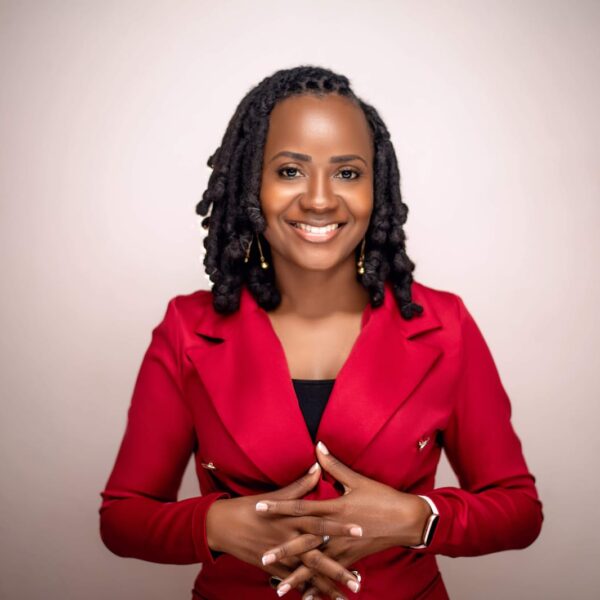
For Neila Phillip, a Licensed Clinical Community Psychologist and founder of Beyond Wellness, real support means moving beyond words and building the systems survivors need to live safely and heal.
View this post on Instagram
Phillip’s commitment to domestic-violence survivors began long before her professional work. She was inspired by her parents, who lived a life of service to others. Growing up, she watched their home become a safe haven for domestic-violence survivors who needed somewhere to stay because they had nowhere else to go.
Their compassion for survivors became my fight too, Phillip says.
That experience shaped her understanding of what support should look like: not judgment, pressure, or empty encouragement, but a real response to someone’s need for safety.Phillip believes that, on many Caribbean islands, adequate support infrastructure for domestic-violence survivors still does not exist.
Moving beyond telling women to “be strong” requires action on several fronts. Laws and policies that remain archaic must be amended, especially where they fail to offer meaningful protection to women seeking to defend themselves. There must also be stiffer penalties for offenders.
Survivors also need access to support groups and mental-health services that empower them to heal, rather than simply cope with abuse. They need physical safe havens where they can rest, feel secure, and begin building a life beyond survival.
Real support is not one gesture. It is legal protection, emotional care, safe housing, and sustained community support.
Domestic violence remains a serious issue across Caribbean communities, with prevalence rates among the highest in the world. UN Women surveys across five CARICOM countries found that between 39% and 55% of women have experienced at least one form of violence in their lifetime, and nearly 50% when psychological and economic abuse are included. Seven of the ten countries with the highest femicide rates globally are in the Caribbean. Phillip describes it as learned behaviour, an unhealthy pattern that has been shared across generations and shaped, in part, by the region’s history with slavery and plantation violence.
Sources: UN Women CARICOM research brief and the IDB’s 2025 regional blog
She also recognizes that domestic violence is complex. It is not limited to one cause or one community. Personal and environmental factors, including the need for control and anger issues, can contribute to abusive behaviour.
Still, some cultural attitudes can enable abuse. Cases are often concealed, and some women may not recognize that their experiences qualify as domestic violence. Survivors may also be blamed, doubted, or pressured to stay silent.
Phrases such as “keep it in the family,” “just pray about it,” “stay in your lane,” and “drink water and mind your business” can prevent survivors from acting on their need for safety.
To some degree, Phillip says, the silencing is intentional because it is intended to keep victims/survivors from acting on their need for safety.
View this post on Instagram
So why is leaving not so simple?
Leaving an abusive relationship is rarely a straightforward decision. A survivor may be managing fear, children, financial dependence, immigration concerns, housing insecurity, and community pressure at the same time.
Economic dependence can make it difficult for women to leave when they rely on a partner for financial support. For women whose immigration status is tied to a spouse or employer, leaving may also feel like it could threaten their right to remain in a country.
In close-knit Caribbean communities, gossip and the fear of becoming “the hot topic” can create another barrier. Some women may remain in unsafe situations to avoid judgment, embarrassment, or public scrutiny.
Instead of asking why a survivor stays, communities should seek to understand the cycle of abuse and the challenges survivors face. Support should remain available even when a woman is not ready or able to leave.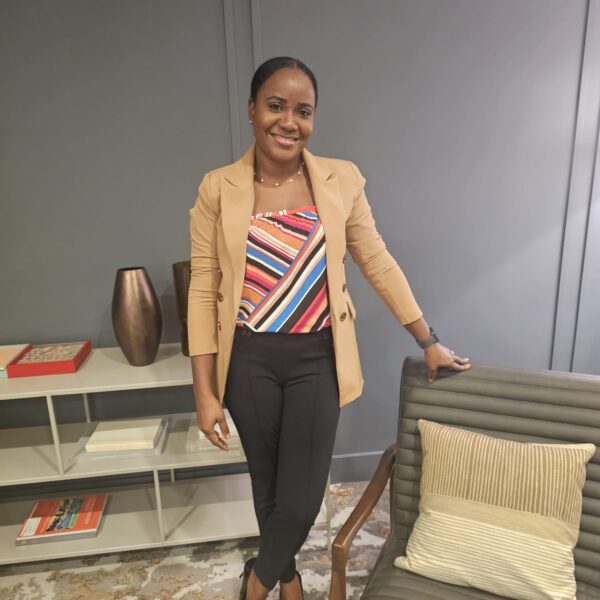
That can include accessible mental-health care, self-esteem programs, self-defence courses, and practical resources that can be activated when she is ready.
For Phillip, listening without judgment begins with confidentiality. Survivors need to know that their experiences will not become gossip or public conversation.
It also means debunking gossip rather than allowing it to spread, and providing empathetic counsel without rushing a survivor into decisions before she feels ready.
Friends, aunties, uncles, parents, and community leaders all have a role to play. Phillip encourages a survivor-centred approach that prioritizes the survivor’s well-being. That begins with believing her.
It continues through physical, emotional, and financial support as she navigates her next steps. It means replacing judgment with empathy, ending victim-shaming, and encouraging reporting with care rather than pressure.
No one deserves to be abused, regardless of the circumstances. To break the cycle of domestic violence must begin in the home and reach younger generations.
Phillip points to the impact of growing up in households where domestic violence occurs and believes prevention must target the entire family. Educational campaigns and forums should reach children at the primary- and secondary-school levels, helping them unlearn harmful behaviours and develop healthier ways to manage conflict.
Adults must also examine the language used in their relationships and homes. Empowering and uplifting language can help create healthier environments, while negative and demeaning language can reinforce harmful patterns.
Caribbean women do not need communities to simply admire their resilience. They need communities willing to protect their safety, respect their confidentiality, believe their experiences, and help create the conditions for healing.
Real support means replacing silence with action and making sure no survivor has to navigate abuse alone.
Neila Phillip is a licensed mental health professional and founder of Beyond Wellness.