I Didn’t Know How to Not Be Bipolar: An Indo Caribbean Woman’s Journey on Bipolar Disorder, Shame, and the Road to Healing
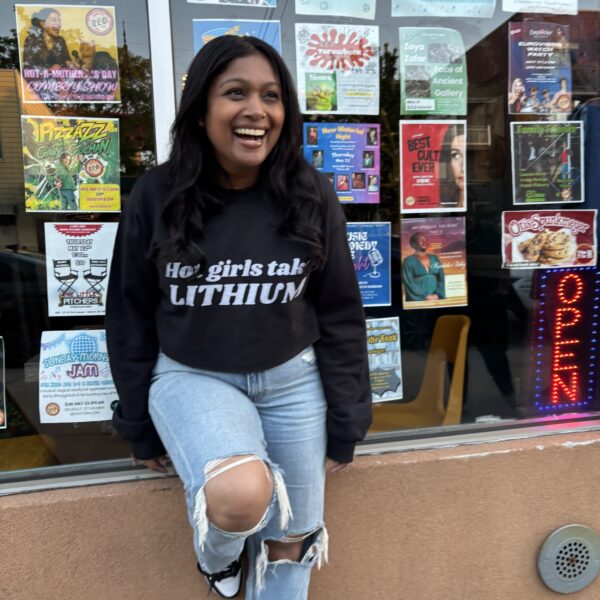
There are stories that don’t ask to be told. They demand it. Subrina Singh’s is one of them. A first-generation American born to immigrant parents from Trinidad and Guyana, Subrina has spent the better part of a decade doing something our communities rarely celebrate: telling the whole truth about mental illness. No performance, no forced positivity. Just the raw, lived texture of a life navigated alongside bipolar disorder.
In the article, Subrina talks about the years before the diagnosis, the years after it, and every moment in between. What emerged is not just a story about mental health. It’s a story about identity, silence, and what it means to fight for yourself when no one has taught you how.
When the Mind Starts Speaking Louder
Caribbean Therapists (CT): Can you take us back to when you first began recognizing shifts in your mental health. What did that period look like for you?
Subrina: I was about 13 or 14 years old when I began noticing my intrusive thoughts. The thoughts I once dismissed became so intense and present that it was impossible to pretend they didn’t exist. At first, I thought it was puberty and attempted to bring it up casually with friends, hoping they could relate. Soon enough, it became obvious that something was wrong. This became especially apparent when I began having more detailed thoughts about suicide. I knew this was not the norm but didn’t know how to approach the topic with my parents. I held so much shame during this time, and it was especially difficult when I finally asked my parents to go to therapy and they refused. It was such a lonely time.
There is a particular kind of loneliness that comes with carrying something too heavy and too unfamiliar to name. For Subrina, that loneliness arrived early, in classrooms, in family silences, in conversations where she searched the faces of friends for recognition and found none. It is a loneliness many in our Caribbean communities know intimately. Research shows that stigma, self-reliance, and cultural values of resilience often create significant barriers to mental health help-seeking within Caribbean populations. Subrina’s early experience was not an outlier. It was a pattern.
The Word Nobody Prepared Her For
CT: When were you diagnosed with bipolar disorder, and how did you process that diagnosis at the time?
Subrina: If I’m being completely honest, I didn’t process it. I thought if I rejected what I had been told, it would not be true. I tried my very best to pretend the diagnosis was not real. Subconsciously, I knew the harsh truth, but I was so embarrassed and ashamed that I worked so incredibly hard to fake its existence. I come from a world where mental illness was “made up.” Until that moment, I had no idea what it meant to be bipolar or what it was. I looked over to my parents hoping their faces would provide some clarity, and there was none. We literally started at zero. The first couple of weeks, I just cried. I was terrified because I hadn’t fully understood what the diagnosis meant for my life. I had nothing to process other than the word: bipolar.
A single word handed to a teenager, no context, no community, no roadmap. This is what diagnosis can feel like when mental health has been treated as taboo. In Caribbean households where mental illness is frequently viewed as something “made up” or morally suspect, the gap between receiving a diagnosis and truly understanding one can span years.
No One Was to Know
CT: How did your family react? And how would you describe your lived experience of bipolar disorder in your own words?
Subrina: My parents received the news at the same moment I did. Their faces were as blank as mine. My dad asked the psychiatrist when I would be cured. I eagerly awaited her response and my heart sank when she replied that there was no cure, that it was a lifelong illness. I saw the disappointment in their eyes. They made it clear at that very appointment that no one was to know. I knew it was to be a secret. While I didn’t have a name for the emotion I held then, I understand now that that was shame. I felt like such a failure. Guilt was overwhelming. Even 20 years later, when I think about that time in my life, I feel so sad. I wish more than anything I could have been different. We as a family have come a long way, but only because we now have the knowledge to understand bipolar for what it is: a mental, medical illness.
The cultural imperative to keep mental illness private is one of the most harmful forces operating in Caribbean family systems. What Subrina describes, the secrecy, the shame, the desire to protect family reputation, is both deeply personal and deeply familiar. It is precisely why spaces like Caribbean Therapists Org exist: to interrupt the silence before it costs someone everything.
A Double Life in the Hallways of High School
CT: What have been some of the biggest challenges you’ve faced navigating bipolar disorder, both privately and publicly?
Subrina: Bipolar disorder is a daily challenge. Each day, I am combating a different part of my brain. It really just feels like I’m battling myself. I was a high school junior when I was diagnosed. I watched so much of my life fall apart that year. With minimal coping skills, I had to give up a lot just to stay afloat, and I did all of this secretly. My parents discouraged me from sharing my diagnosis with friends. It was so hard to pretend to be mentally stable every day of high school. It was exhausting and made me feel really terrible inside. On the outside I presented the perfect high school girl. On the inside, I began hating myself for being sick.
And then came the public chapter
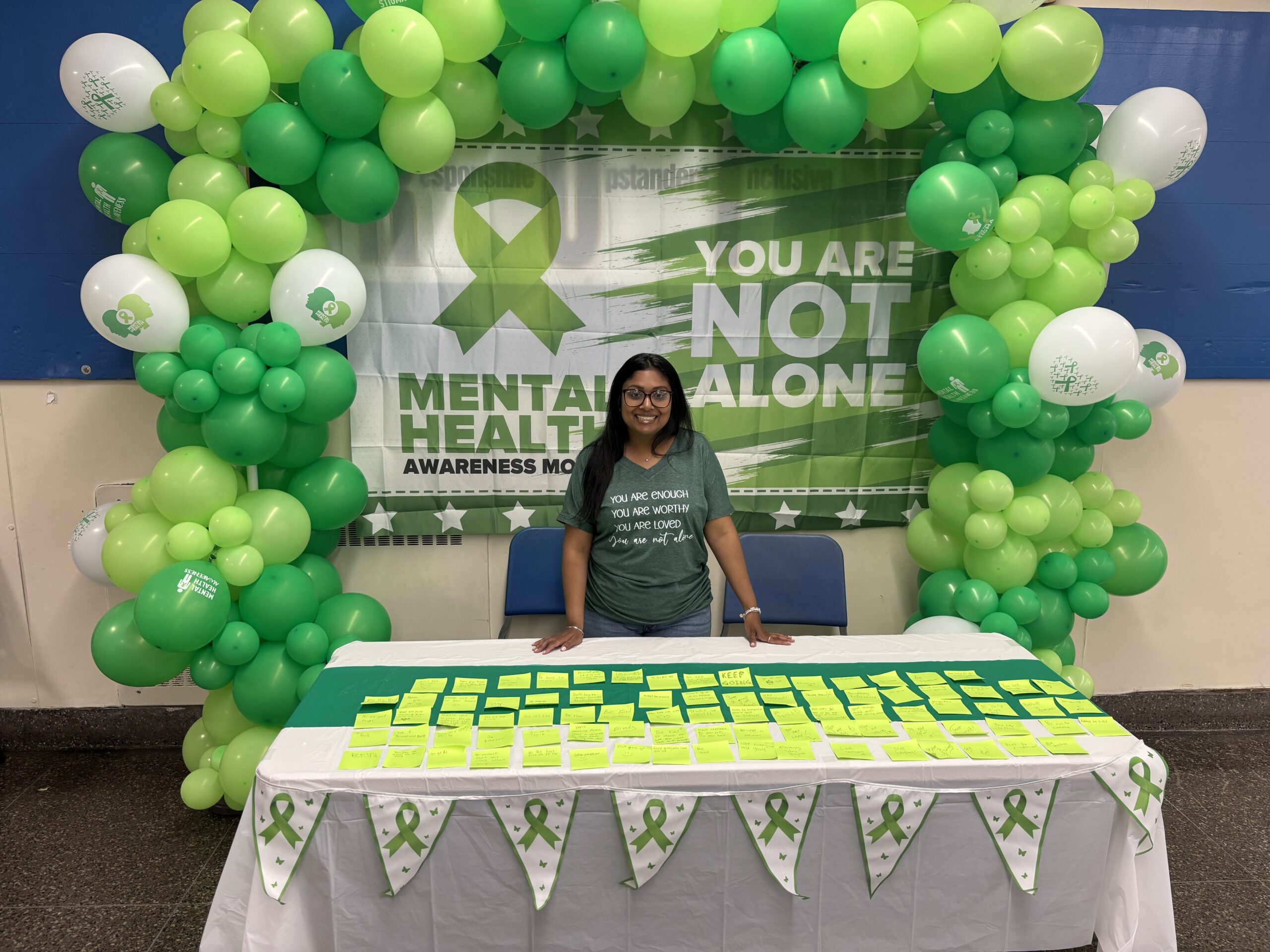
Subrina: “Coming out” was completely unplanned. When the reveal was received so well, it left me confused. Compliments that I was brave or inspirational left me baffled. I tried to be overly positive and quickly learned that it was actually my honesty that was being applauded. Faking a positive, go-lucky attitude was not an accurate portrayal of life with bipolar disorder. I realized then that the power of sharing our truths is the authenticity of the experience. Sharing my pain showed others that it was okay to embrace theirs.
What Healing Actually Looks Like
CT: What has healing looked like for you, through therapy, community, spirituality, medication, or other forms of support?
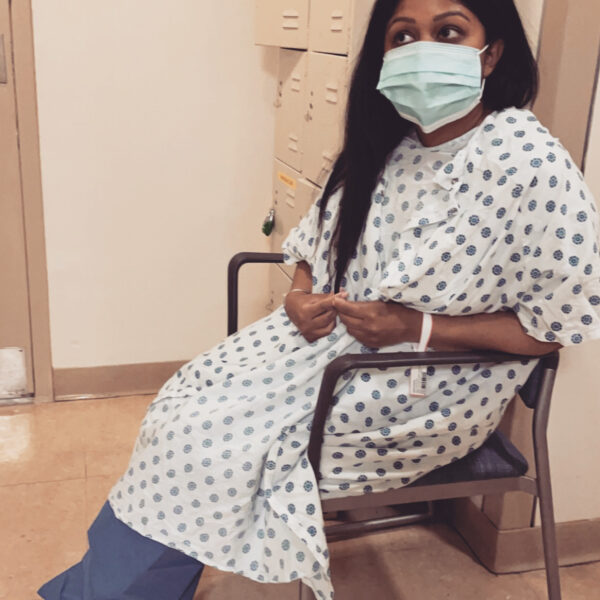
Subrina: Healing changes over time. The saying may be trite, but it is true: healing is not linear. At the moment, healing for me is a commitment to my current treatment plan, group therapy, individual therapy, my own sense of spirituality and prayer. I am also a peer support facilitator, and those groups are so powerful in how we heal with and from one another. I have been taking medication for a little over 20 years. Four years ago, I began undergoing electroconvulsive therapy, commonly known as shock therapy. There have been numerous occasions where healing meant spending time inpatient. Each day requires a different form of healing, and I have worked really hard to accept that no two days will ever be the same.
What Subrina describes is not a tidy recovery arc. It is a practice, a commitment renewed daily. This is something Caribbean communities need to hear more of: that healing is not about arriving somewhere permanent, but about building a toolkit strong enough to meet you wherever you are.
The Toolbox
CT: How have you learned to recognize triggers, protect your peace, and manage your mental wellness?
Subrina: This answer requires only a few words:
- Therapy with someone you trust and who will be direct and blunt
- Time for reflection, understanding, and acceptance
- Journaling to release emotions of any form and to encourage honesty within yourself
- DBT (Dialectical Behavioral Therapy) to be the wealth of knowledge needed to create your own toolbox
- Prayer to foster a relationship with a higher power, to always have something to believe in when this illness makes you question everything
Illness as Teacher
CT: In what ways has your experience with bipolar disorder shaped your advocacy and the work you do today?
Subrina: It took years to realize and accept, but bipolar disorder forces me to be the best version of myself each and every day. It has challenged me, but at the same time has blessed me with qualities I would have otherwise never needed. While it doesn’t define who I am, so much of my experience, especially as a teen, provides a perspective that allows me to look at life in such a unique way. This experience literally impacts my every approach, not only as an advocate but as an aunt, sister, and daughter.
This is the reframe that takes the most time and the most courage: not that illness is a gift in any simple sense, but that navigating it with intention can build a depth of character that ordinary life never demands. Subrina has arrived here, not easily, not quickly, but genuinely.
Dismantling What We’ve Been Told
CT: What misconceptions about bipolar disorder do you most want to challenge, especially within our communities?
Subrina: I want to challenge everything, because most of it is misconceptions. And those misconceptions, most of which are heavily stigmatized, are the primary reasons the first few years post-diagnosis were so unbearable. My wish is that no one else has to endure that.
Let’s be direct about what needs to go:
- Bipolar is an illness. It may be a mental illness, but it is just as physical. No part of it is “made up” or “just in your head.” Showing emotion does not make you a drama queen.
- Mental illness is not a spiritual affliction. My illness does not “possess” me. I do not need to be rid of any “demonic” elements.
- Mania is not synonymous with happiness.
- Bipolar disorder has no impact on intelligence, capability, or appearance.
The conflation of mental illness with spiritual weakness is a particularly persistent barrier in Caribbean communities, where religious interpretation of psychological distress remains common. Subrina’s willingness to name it directly is its own form of advocacy.
To Anyone Struggling in Silence Right Now
CT: What would you say to someone living with bipolar disorder who may be struggling in silence right now?
Subrina: It gets better, and I am not lying when I say that. I am not trying to motivate you with positivity because I know firsthand how heartbreaking it is to endure this kind of emotional pain alone. I know it seems impossible right now to trust someone, to confide in someone, so be that for yourself. Grab a paper. Write it down. Start by writing a letter to yourself, full of promises you can make to be there for you. You will always be your greatest advocate.
The days may seem long and never-ending, but they will pass. There will be a time when the suffering won’t be so heavy. You will acclimate to the mood episodes and get to know yourself in a whole new way. Always do your best, and hold on to any thread in your life that keeps you here.