
Caribbean Entrepreneur Mental Health: Seneca Williams, LMHC on Burnout, Success Remorse, and Building Mental Wealth
Entrepreneurship is often celebrated as a story of courage, ambition, and financial freedom. We applaud the launch, the growth, the visibility, and the wins. But behind every business is a person making difficult decisions, carrying family expectations, managing uncertainty, and often working through stress in silence.
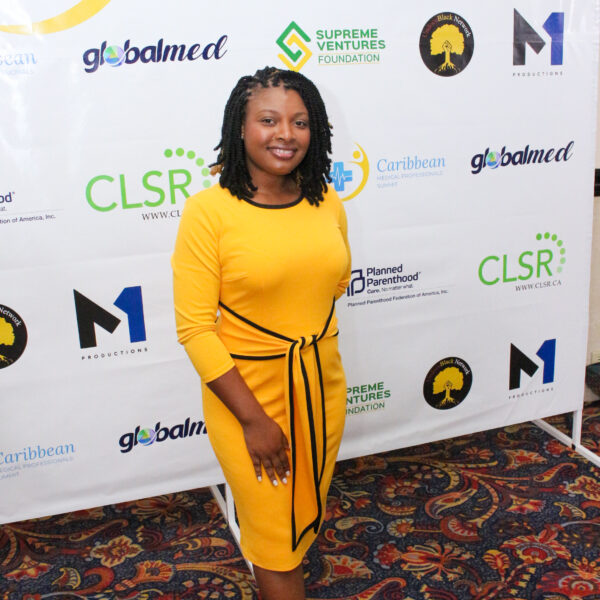
For Seneca Williams, LMHC, a licensed therapist and entrepreneur, that reality is at the center of her work. She supports entrepreneurs in building what she calls mental wealth: the emotional, physical, and psychological capacity required to sustain the person behind the business.
People speak about entrepreneurs as though they are an establishment, Williams says. We forget they are human first.
That distinction matters, especially within Caribbean, immigrant, and first-generation communities, where hard work is deeply valued and rest can feel like something that must be earned.
The Mental Capacity Gap in Entrepreneurship
Williams began specializing in entrepreneurship and mental health after noticing a recurring pattern among clients and within her own experience: as founders grow their businesses, their ambitions and responsibilities grow too but their capacity often does not.
She calls this the mental capacity gap.

A founder may increase revenue, expand a team, take on more clients, become more visible online, or become responsible for payroll. Yet emotional recovery, sleep, support systems, boundaries, and physical wellbeing may remain neglected. The business continues to grow while the person leading it quietly struggles to keep up.
Founders obsess over cash flow, but ignore capacity, Williams explains. Capacity is just as important as capital.
When capacity declines, decision-making, creativity, leadership, relationships, and health can begin to suffer. This is why entrepreneur mental health should not be treated as a private afterthought. It is a leadership issue, a family issue, and often a community issue.
Research supports the concern. In a study of 242 entrepreneurs, mental health differences directly or indirectly affected 72% of participants; 49% reported a personal history of a mental health condition. The study also found higher self-reported rates of depression, ADHD, substance use conditions, and bipolar disorder among entrepreneurs compared with a matched comparison group.
High Functioning Is Not the Same as Flourishing
One of the most damaging myths around entrepreneur wellbeing is that someone does not need support if they are still productive.
Williams has worked with clients whose previous therapists told them they were “fine” because they were highly functioning. But productivity can hide pain. A founder may be meeting deadlines, showing up for meetings, leading a team, and posting confidently online while privately living with anxiety, loneliness, chronic stress, or burnout.
Functioning is not the same as flourishing, she says.
Entrepreneurs often carry a mental load that is difficult for others to see. They may be making hundreds of decisions each week, navigating inconsistent revenue, managing staff, worrying about payroll, responding to client needs, maintaining a public image, and absorbing the emotional weight of everyone around them.
Traditional mental health models can sometimes focus on visible impairment. Entrepreneurs may not present that way. They may be outwardly successful while inwardly exhausted. That is precisely why culturally aware, entrepreneur-informed mental health support matters.
Burnout in Caribbean Communities
In many Caribbean households, hard work is not just encouraged; it is part of family identity and survival. Williams, who is a Vincentian descendant of laborers, builders, and farmers, speaks about this with deep respect.
At the same time, she sees how exhaustion can become confused with excellence.
Many Caribbean, immigrant, and first-generation entrepreneurs inherit the belief that rest comes after everything is finished. The challenge, of course, is that entrepreneurship is never fully finished. There is always another invoice, product, customer concern, family need, content deadline, or business opportunity waiting.
Burnout is not simply feeling tired after a demanding week. The World Health Organization defines it as an occupational phenomenon resulting from chronic workplace stress that has not been successfully managed. It includes exhaustion, increased mental distance or cynicism toward one’s work, and reduced professional efficacy.
For Caribbean entrepreneurs, burnout may also be shaped by the pressure to make the family proud, create a better future, support relatives across borders, or prove that sacrifice was worthwhile.
The Cost of Being “Always On”
The pressure to always be available can quietly affect a founder’s thoughts, feelings, and behaviors.
It may begin with a familiar thought: If I am not working, I am falling behind.
That thought can turn rest into guilt. Then the founder works seven days a week, stops taking real breaks, neglects relationships, and begins to tie their worth to output. Over time, this pattern can contribute to anxiety, depression, relationship strain, substance misuse, burnout, and poor business decisions.
Williams also notes that Caribbean men and women may experience entrepreneurial pressure differently.
Many Caribbean men are raised to identify as providers and protectors. This can make burnout feel like the unavoidable price of success rather than a signal to seek support. Emotional openness, rest, and self-care may not have been modeled as part of manhood.
Many Caribbean women are raised to be both providers and caretakers. They may lead businesses, raise children, care for relatives, manage households, and still feel guilty for setting boundaries. Work-family conflict can create emotional exhaustion, which may affect both wellbeing and business performance.
These patterns are not a personal failing. They are learned responses shaped by culture, family, gender roles, migration, and survival.
When Community Support Becomes Pressure
Caribbean culture is known for connection, generosity, and collective pride. The idea that “when one wins, all ah we win” can be deeply affirming.
But collective success can also become collective obligation.
Some entrepreneurs feel they must help everyone at once, even when their own finances, time, and mental health are stretched thin. For first-generation founders and diaspora entrepreneurs, this may include supporting immediate family, extended family, loved ones back home, bills, barrels, remittances, and community needs.
Williams describes one under-discussed emotional consequence as success remorse: the guilt, pressure, and obligation a person can feel after achieving success.
A founder may feel guilty for “making it” when people they love are struggling. They may worry that saying no makes them selfish, ungrateful, or disconnected from their community. At the same time, they may feel pressure to look successful, strong, perfect, and grateful at all times.
You cannot be everything to everyone and nothing to yourself, Williams says.
Mental health stigma can intensify this burden. A 2023 systematic review of Caribbean evidence found that stigma affects help-seeking, with anticipated and experienced stigma among the themes shaping how people approach mental health care. The review included nine articles representing eight studies and 1,256 participants.
Redefining Success Beyond Revenue
For Williams, supporting entrepreneur mental health does not mean asking founders to abandon ambition. It means helping them build a version of success that can last.
Through her CONQUER Method™, she helps clients protect both financial wealth and mental wealth. That includes reconnecting success to purpose, peace, impact, sustainability, and the ability to lead without losing oneself in the process.
Money matters. Growth matters. Profit matters. But they cannot be the only measures of a meaningful life.
A sustainable definition of success asks different questions:
- Does your business allow you to live with peace, not only pressure?
- Do you have the capacity to make sound decisions?
- Are your relationships and health being protected as you grow?
- Does your work create a meaningful impact in your Caribbean community?
- Can you step away without believing your value disappears?
For Williams, capacity must sit alongside capital in every founder’s strategy.
Healing Without Losing Your Ambition
Healing for an entrepreneur does not require becoming less driven. It requires becoming more sustainable.
It can mean separating your identity from your business performance. It can mean recognizing that you are more than your income, job title, social media visibility, or possessions. It can mean delegating, resting without guilt, seeking therapy, creating boundaries, and trusting that leadership does not require constant self-sacrifice.
The goal is not simply to build profitable businesses. It is to build leaders who can remain whole while doing so.
Profitable businesses are important, Williams says. But sustainable leaders change families, communities, and generations.
For Caribbean entrepreneurs, that may be the deeper work: not only creating a legacy of financial opportunity, but also creating a legacy of rest, emotional safety, healthier boundaries, and mental wealth.
About Seneca Williams, LMHC
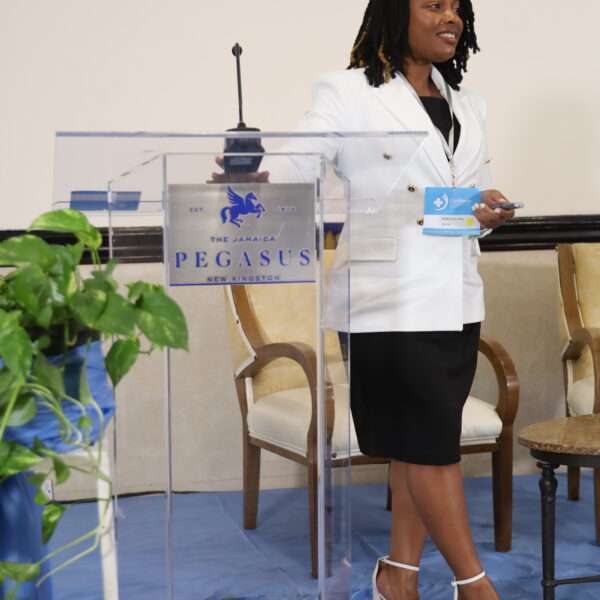
Seneca Williams, LMHC, is a licensed therapist and entrepreneur who specializes in supporting founders and high-achieving professionals as they build mental wealth alongside financial wealth. Her work centers on sustainable leadership, healing, capacity, and culturally informed care for entrepreneurs carrying both personal and professional responsibility.